Demand-Based Pulse Temperature Control for High-Temperature Applications
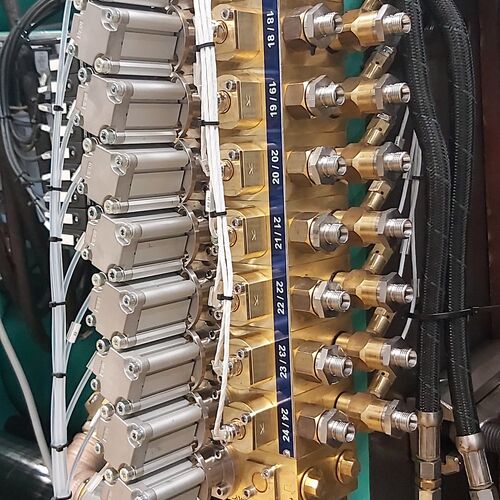
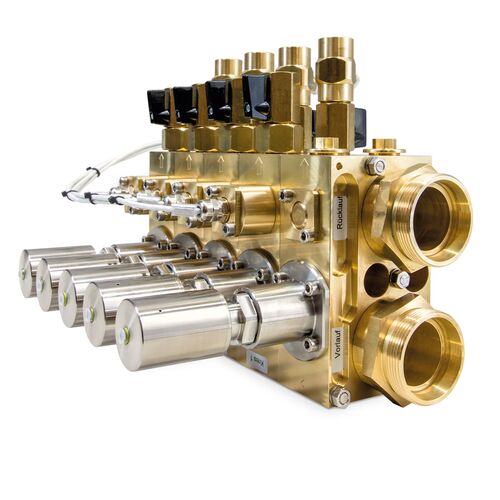
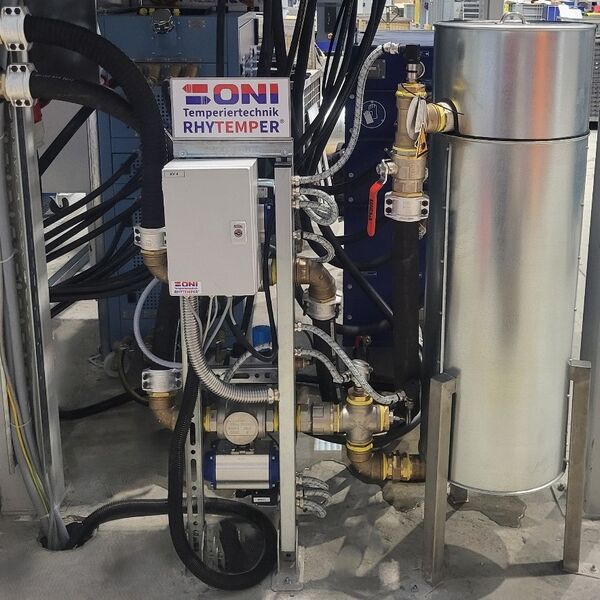
RHYTEMPER HotPulse individually controls each cooling circuit of the injection mould. Heat removal is adapted to the actual demand during each cycle, allowing a defined amount of heat to be removed in each cycle.
Individual temperature control of the different mould areas enables thermal imbalances to be specifically compensated for. Consistent heat removal supports reproducible process conditions and consistent component quality. At the same time, demand-based heat removal enables efficient management of the cooling phase.
HotPulse is designed for high-temperature applications with media temperatures of up to 160 °C and combines multi-circuit pulse temperature control with continuous monitoring of flow rate and temperature.
Early Detection of Process Deviations
Continuous monitoring of flow rate and temperature provides transparency in every individual cooling circuit. This enables thermal or hydraulic deviations to be detected at an early stage.
Significant changes in flow rate, for example due to hose ruptures, blocked cooling channels or loosened deposits, are detected immediately. In critical conditions, the system can issue alarms or trigger a machine stop. This helps protect the mould, reduce unnecessary scrap and support stable series production.
Central Monitoring and Control of Process Data
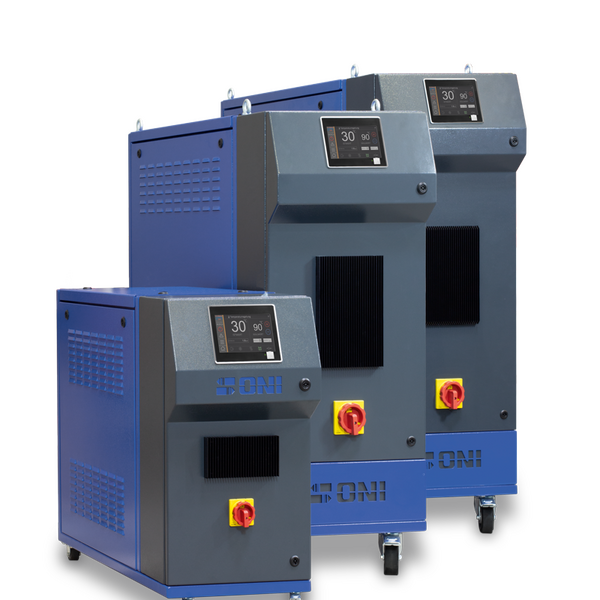
The RHYTEMPER control system provides a clear overview of the relevant temperature and flow rate values and enables direct access to the individual temperature control circuits. Individual limit and tolerance ranges support the early detection of process deviations.
Mould data sets enable stored settings to be restored reproducibly. The 15.6" panel also provides functions such as the integration of mould cooling plans, individual circuit labelling and leakage monitoring, as well as optional thermographic monitoring and remote maintenance access.
Flexible Control for Different Process Requirements
Depending on the application, different operating modes are available – from control based on heat value or return temperature to predefined valve opening times, control based on extracted energy and continuous cooling.